Breakfast Rolls: 5 Simple Cozy Morning Favorites

Posted on February 25, 2026

Difficulty

Prep time

Cooking time

Total time

Servings

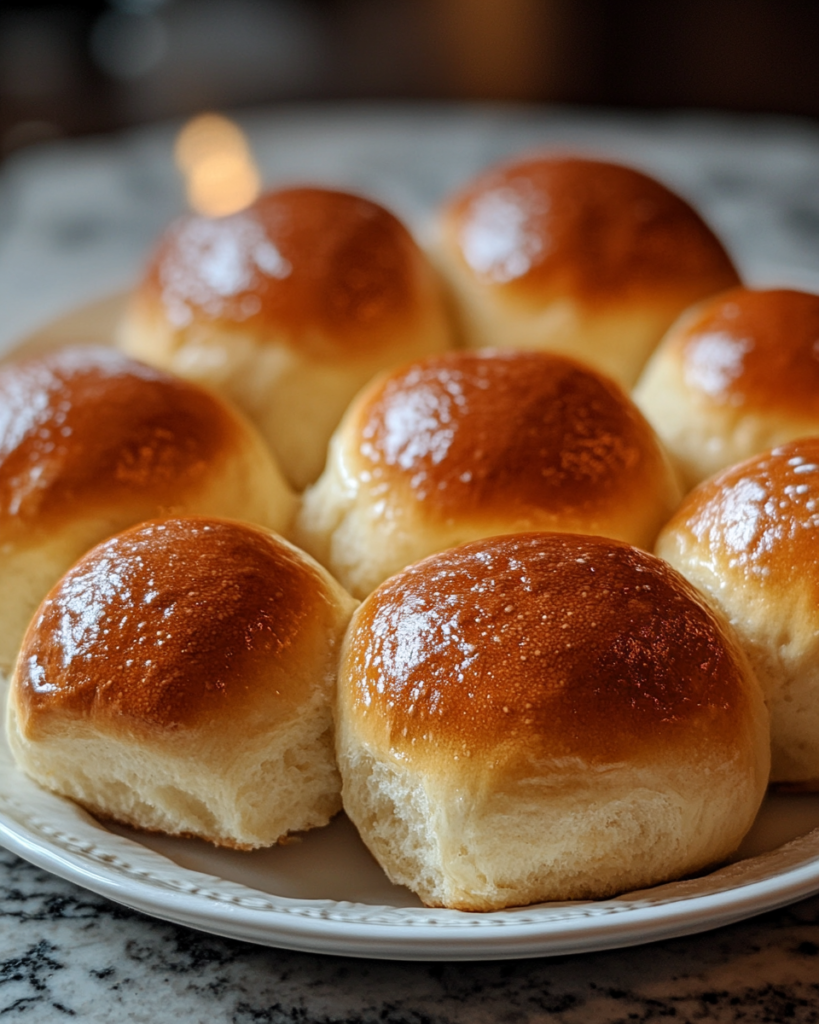
Breakfast Rolls bring warmth and comfort to the table with their soft centers and lightly golden crust. Fresh from the oven, they offer a tender bite that pairs beautifully with both sweet and savory fillings. Whether served plain with butter or layered with eggs and vegetables, these rolls turn an ordinary morning meal into a satisfying experience.

The aroma of yeast dough rising and baking fills the kitchen with a sense of calm anticipation. Each roll tears apart in delicate layers, revealing a fluffy interior that feels light yet hearty. Breakfast Rolls are versatile, welcoming everything from fruit preserves to crisp bacon without overpowering their gentle flavor.

Perfect for relaxed weekend brunches or weekday meal prep, these rolls store well and reheat beautifully. Their balanced texture and mild taste allow them to complement a wide range of ingredients while still standing confidently on their own.

Ingredients Overview
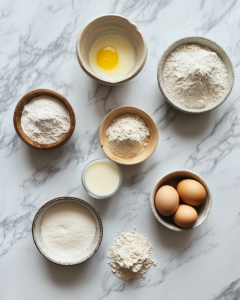
Flour forms the structure of Breakfast Rolls. All-purpose flour provides a tender crumb while still giving enough strength for shaping. Bread flour can be used for slightly chewier texture, though the difference remains subtle. Measuring accurately prevents dense results.

Active dry yeast gives the dough its rise and airy interior. It activates in warm milk, creating bubbles that expand during baking. Instant yeast may be substituted in equal quantity and mixed directly into the dry ingredients, reducing preparation steps.

Warm milk adds softness and richness. Whole milk yields the most tender crumb, though low-fat milk works as well. The milk should feel warm to the touch but not hot, as excessive heat can weaken yeast activity.

Sugar feeds the yeast and adds a faint sweetness. Only a small amount is required. Honey can replace sugar for a gentle floral note, though it may slightly deepen the crust color.

Butter contributes flavor and a supple texture. Melted butter blends smoothly into the dough, while softened butter brushed on top creates a glossy finish. Neutral oil may substitute, though the taste will be milder.

Eggs enrich the dough and support structure. They add color and subtle richness. For a lighter variation, a single egg can replace two, though the rolls will be slightly less tender.

Salt balances sweetness and sharpens overall flavor. Skipping salt results in flat-tasting bread, so accurate measurement is essential.

Step-by-Step Instructions

Begin by warming the milk until it reaches about 105–110°F. Pour it into a large mixing bowl and sprinkle the yeast over the surface. Let it rest for five to seven minutes until foamy. This indicates that the yeast is active and ready to work.

Add sugar, melted butter, and eggs to the bowl. Whisk gently until combined. Gradually incorporate flour and salt, stirring with a wooden spoon or dough hook attachment. When the mixture becomes shaggy and begins to pull together, transfer it onto a lightly floured surface.

Knead the dough for eight to ten minutes. It should feel smooth, slightly tacky, and elastic. If it sticks excessively, dust with small amounts of flour, but avoid adding too much, which can lead to dense rolls.

Place the kneaded dough into a lightly greased bowl. Cover with a clean towel and allow it to rise in a warm spot for about 60 to 90 minutes, or until doubled in volume. A properly risen dough will spring back slowly when pressed with a fingertip.

Gently deflate the dough and divide it into equal portions, typically 12 pieces. Shape each piece into a tight ball by tucking edges underneath and rolling against the counter with your palm. Arrange them in a greased baking dish, leaving slight space between each ball.

Cover again and allow a second rise for 30 to 45 minutes. During this stage, the rolls should puff and touch one another lightly. Preheat the oven to 375°F.

Brush the tops with melted butter or an egg wash for a deeper golden finish. Bake for 18 to 22 minutes until the tops appear golden brown and the internal temperature reaches approximately 190°F.

Avoid overbaking, as extended oven exposure can dry the crumb. Remove from the oven and brush with additional butter if desired. Allow them to cool slightly before serving so the interior sets without becoming gummy.

Tips, Variations & Substitutions

For a softer crust, cover the baking dish loosely with foil during the final five minutes of baking. This prevents excessive browning while maintaining tenderness.

Whole wheat flour can replace up to half of the all-purpose flour for a heartier profile. Add one to two tablespoons of additional milk to maintain softness.

For savory Breakfast Rolls, fold in shredded cheese, chopped herbs, or finely diced cooked vegetables during the final minute of kneading. Keep additions minimal to preserve structure.

To create a sweet version, brush the dough with melted butter before shaping and sprinkle lightly with cinnamon sugar. A simple glaze made from powdered sugar and milk can be drizzled over cooled rolls.

Dairy-free substitutions include plant-based milk and vegan butter. The texture remains soft, though the flavor will be slightly lighter.

Serving Ideas & Occasions

Breakfast Rolls pair beautifully with scrambled eggs, sliced avocado, and fresh fruit for a balanced morning plate. They also serve as a base for breakfast sandwiches filled with eggs, cheese, and sautéed greens.

For brunch gatherings, arrange the rolls in a basket lined with a cloth napkin to keep them warm. Offer a variety of spreads such as butter, fruit jam, or honey to suit different preferences.

They work equally well for holiday mornings, casual family breakfasts, or meal prep sessions. Leftover rolls can be sliced and toasted lightly for added texture the next day.

Nutritional & Health Notes

Breakfast Rolls provide carbohydrates for energy along with moderate protein from eggs and milk. Using whole wheat flour increases fiber content and contributes to a more sustained feeling of fullness.

Butter and eggs add richness, so portion control may be helpful for those monitoring saturated fat intake. Substituting part of the butter with olive oil can slightly reduce saturated fat while maintaining moisture.

These rolls contain gluten due to wheat flour. For gluten-sensitive individuals, a certified gluten-free flour blend designed for yeast baking may be used, though texture may vary.

As part of a balanced breakfast including protein and fresh produce, Breakfast Rolls can fit comfortably into a varied and mindful eating plan.

FAQs

Can I prepare Breakfast Rolls the night before?

Yes, Breakfast Rolls can be prepared ahead. After shaping the dough into balls and arranging them in the baking dish, cover tightly and refrigerate overnight. The cool temperature slows yeast activity, allowing a gradual rise. The next morning, remove the dish from the refrigerator and let it sit at room temperature for about 45 to 60 minutes before baking. This ensures the dough warms slightly and finishes rising properly. Bake as directed once the rolls look puffy and slightly expanded.

Why are my Breakfast Rolls dense instead of fluffy?

Dense rolls often result from adding too much flour or not allowing enough rise time. Measure flour carefully using the spoon-and-level method rather than scooping directly from the bag. Another common issue is inactive yeast. Always check that the yeast becomes foamy when mixed with warm milk. In addition, insufficient kneading can prevent proper gluten development, which affects structure. Knead until the dough feels elastic and smooth for best results.

Can I freeze Breakfast Rolls?

Breakfast Rolls freeze very well. Allow them to cool completely after baking. Wrap tightly in plastic wrap and place in a freezer-safe bag. They can be frozen for up to three months. To reheat, thaw at room temperature and warm in a 300°F oven for about 10 minutes. This helps restore softness without drying them out. Freezing individual rolls makes it convenient to reheat only what you need.

How do I keep Breakfast Rolls soft after baking?

To keep Breakfast Rolls soft, brush them lightly with melted butter as soon as they come out of the oven. This adds moisture to the crust. Store cooled rolls in an airtight container or sealed bag at room temperature for up to two days. Avoid refrigerating, as cold air can dry bread quickly. If they begin to firm up, reheating briefly in the oven wrapped in foil can help restore tenderness.

Can I make these rolls without eggs?

Yes, Breakfast Rolls can be made without eggs. Replace each egg with 1/4 cup of plain yogurt or 1/4 cup unsweetened applesauce. The texture will remain soft, though slightly less rich. You may need to reduce the milk slightly to maintain proper dough consistency. Monitor the dough during mixing to ensure it is not overly sticky. The overall flavor will still be mild and versatile.

What is the best way to shape evenly sized rolls?

For evenly sized Breakfast Rolls, divide the dough using a kitchen scale. Weigh the entire dough and divide by the number of rolls you plan to make, typically 12. Cut pieces according to that weight. To shape, pull the outer edges of the dough toward the bottom and pinch to seal, then roll gently under your palm on a clean surface. This creates a smooth top and tight structure.

Can I add fillings inside the dough?

Yes, fillings can be added carefully. Flatten each dough portion slightly before shaping and place a small spoonful of filling in the center. Keep the amount modest to prevent leaking. Seal the edges tightly and shape into a ball. Cheese, cooked sausage crumbles, or fruit preserves work well. Be mindful that extra moisture from fillings may slightly extend baking time. Monitor the tops for even browning and adjust as needed.

Print

5 Stars 4 Stars 3 Stars 2 Stars 1 Star

No reviews

Soft and fluffy Breakfast Rolls with a tender crumb and lightly golden tops, perfect for sweet or savory morning meals.

  • Author: ahmed va
  • Prep Time: 10 minutes
  • Cook Time: 20 minutes
  • Total Time: 30 minutes
  • Yield: 4 servings 1x

Ingredients

Scale

4 cups all-purpose flour
2 1/4 teaspoons active dry yeast
1 cup warm milk
1/4 cup granulated sugar
1/4 cup unsalted butter, melted
2 large eggs
1 teaspoon salt
2 tablespoons melted butter for brushing

Instructions

  • Warm the milk to about 105–110°F and sprinkle yeast over it. Let sit until foamy, about 5 minutes.

  • Add sugar, melted butter, and eggs. Mix until combined.

  • Gradually add flour and salt, mixing until a soft dough forms.

  • Knead for 8 to 10 minutes until smooth and elastic.

  • Place dough in a greased bowl, cover, and let rise for 60 to 90 minutes until doubled.

  • Divide into 12 equal pieces and shape into balls.

  • Arrange in a greased baking dish, cover, and let rise again for 30 to 45 minutes.

  • Preheat oven to 375°F. Brush tops with melted butter.

  • Bake for 18 to 22 minutes until golden brown.

  • Brush with additional butter if desired and cool slightly before serving.

Did you make this recipe?

Share a photo and tag us — we can't wait to see what you've made!

[rank_math_breadcrumb]

Breakfast Rolls: 5 Simple Cozy Morning Favorites

Photo of author
Author: ahmed va
Published:

Breakfast Rolls bring warmth and comfort to the table with their soft centers and lightly golden crust. Fresh from the oven, they offer a tender bite that pairs beautifully with both sweet and savory fillings. Whether served plain with butter or layered with eggs and vegetables, these rolls turn an ordinary morning meal into a satisfying experience.

The aroma of yeast dough rising and baking fills the kitchen with a sense of calm anticipation. Each roll tears apart in delicate layers, revealing a fluffy interior that feels light yet hearty. Breakfast Rolls are versatile, welcoming everything from fruit preserves to crisp bacon without overpowering their gentle flavor.

Perfect for relaxed weekend brunches or weekday meal prep, these rolls store well and reheat beautifully. Their balanced texture and mild taste allow them to complement a wide range of ingredients while still standing confidently on their own.

Ingredients Overview

Flour forms the structure of Breakfast Rolls. All-purpose flour provides a tender crumb while still giving enough strength for shaping. Bread flour can be used for slightly chewier texture, though the difference remains subtle. Measuring accurately prevents dense results.

Active dry yeast gives the dough its rise and airy interior. It activates in warm milk, creating bubbles that expand during baking. Instant yeast may be substituted in equal quantity and mixed directly into the dry ingredients, reducing preparation steps.

Warm milk adds softness and richness. Whole milk yields the most tender crumb, though low-fat milk works as well. The milk should feel warm to the touch but not hot, as excessive heat can weaken yeast activity.

Sugar feeds the yeast and adds a faint sweetness. Only a small amount is required. Honey can replace sugar for a gentle floral note, though it may slightly deepen the crust color.

Butter contributes flavor and a supple texture. Melted butter blends smoothly into the dough, while softened butter brushed on top creates a glossy finish. Neutral oil may substitute, though the taste will be milder.

Eggs enrich the dough and support structure. They add color and subtle richness. For a lighter variation, a single egg can replace two, though the rolls will be slightly less tender.

Salt balances sweetness and sharpens overall flavor. Skipping salt results in flat-tasting bread, so accurate measurement is essential.

Step-by-Step Instructions

Begin by warming the milk until it reaches about 105–110°F. Pour it into a large mixing bowl and sprinkle the yeast over the surface. Let it rest for five to seven minutes until foamy. This indicates that the yeast is active and ready to work.

Add sugar, melted butter, and eggs to the bowl. Whisk gently until combined. Gradually incorporate flour and salt, stirring with a wooden spoon or dough hook attachment. When the mixture becomes shaggy and begins to pull together, transfer it onto a lightly floured surface.

Knead the dough for eight to ten minutes. It should feel smooth, slightly tacky, and elastic. If it sticks excessively, dust with small amounts of flour, but avoid adding too much, which can lead to dense rolls.

Place the kneaded dough into a lightly greased bowl. Cover with a clean towel and allow it to rise in a warm spot for about 60 to 90 minutes, or until doubled in volume. A properly risen dough will spring back slowly when pressed with a fingertip.

Gently deflate the dough and divide it into equal portions, typically 12 pieces. Shape each piece into a tight ball by tucking edges underneath and rolling against the counter with your palm. Arrange them in a greased baking dish, leaving slight space between each ball.

Cover again and allow a second rise for 30 to 45 minutes. During this stage, the rolls should puff and touch one another lightly. Preheat the oven to 375°F.

Brush the tops with melted butter or an egg wash for a deeper golden finish. Bake for 18 to 22 minutes until the tops appear golden brown and the internal temperature reaches approximately 190°F.

Avoid overbaking, as extended oven exposure can dry the crumb. Remove from the oven and brush with additional butter if desired. Allow them to cool slightly before serving so the interior sets without becoming gummy.

Tips, Variations & Substitutions

For a softer crust, cover the baking dish loosely with foil during the final five minutes of baking. This prevents excessive browning while maintaining tenderness.

Whole wheat flour can replace up to half of the all-purpose flour for a heartier profile. Add one to two tablespoons of additional milk to maintain softness.

For savory Breakfast Rolls, fold in shredded cheese, chopped herbs, or finely diced cooked vegetables during the final minute of kneading. Keep additions minimal to preserve structure.

To create a sweet version, brush the dough with melted butter before shaping and sprinkle lightly with cinnamon sugar. A simple glaze made from powdered sugar and milk can be drizzled over cooled rolls.

Dairy-free substitutions include plant-based milk and vegan butter. The texture remains soft, though the flavor will be slightly lighter.

Serving Ideas & Occasions

Breakfast Rolls pair beautifully with scrambled eggs, sliced avocado, and fresh fruit for a balanced morning plate. They also serve as a base for breakfast sandwiches filled with eggs, cheese, and sautéed greens.

For brunch gatherings, arrange the rolls in a basket lined with a cloth napkin to keep them warm. Offer a variety of spreads such as butter, fruit jam, or honey to suit different preferences.

They work equally well for holiday mornings, casual family breakfasts, or meal prep sessions. Leftover rolls can be sliced and toasted lightly for added texture the next day.

Nutritional & Health Notes

Breakfast Rolls provide carbohydrates for energy along with moderate protein from eggs and milk. Using whole wheat flour increases fiber content and contributes to a more sustained feeling of fullness.

Butter and eggs add richness, so portion control may be helpful for those monitoring saturated fat intake. Substituting part of the butter with olive oil can slightly reduce saturated fat while maintaining moisture.

These rolls contain gluten due to wheat flour. For gluten-sensitive individuals, a certified gluten-free flour blend designed for yeast baking may be used, though texture may vary.

As part of a balanced breakfast including protein and fresh produce, Breakfast Rolls can fit comfortably into a varied and mindful eating plan.

FAQs

Can I prepare Breakfast Rolls the night before?

Yes, Breakfast Rolls can be prepared ahead. After shaping the dough into balls and arranging them in the baking dish, cover tightly and refrigerate overnight. The cool temperature slows yeast activity, allowing a gradual rise. The next morning, remove the dish from the refrigerator and let it sit at room temperature for about 45 to 60 minutes before baking. This ensures the dough warms slightly and finishes rising properly. Bake as directed once the rolls look puffy and slightly expanded.

Why are my Breakfast Rolls dense instead of fluffy?

Dense rolls often result from adding too much flour or not allowing enough rise time. Measure flour carefully using the spoon-and-level method rather than scooping directly from the bag. Another common issue is inactive yeast. Always check that the yeast becomes foamy when mixed with warm milk. In addition, insufficient kneading can prevent proper gluten development, which affects structure. Knead until the dough feels elastic and smooth for best results.

Can I freeze Breakfast Rolls?

Breakfast Rolls freeze very well. Allow them to cool completely after baking. Wrap tightly in plastic wrap and place in a freezer-safe bag. They can be frozen for up to three months. To reheat, thaw at room temperature and warm in a 300°F oven for about 10 minutes. This helps restore softness without drying them out. Freezing individual rolls makes it convenient to reheat only what you need.

How do I keep Breakfast Rolls soft after baking?

To keep Breakfast Rolls soft, brush them lightly with melted butter as soon as they come out of the oven. This adds moisture to the crust. Store cooled rolls in an airtight container or sealed bag at room temperature for up to two days. Avoid refrigerating, as cold air can dry bread quickly. If they begin to firm up, reheating briefly in the oven wrapped in foil can help restore tenderness.

Can I make these rolls without eggs?

Yes, Breakfast Rolls can be made without eggs. Replace each egg with 1/4 cup of plain yogurt or 1/4 cup unsweetened applesauce. The texture will remain soft, though slightly less rich. You may need to reduce the milk slightly to maintain proper dough consistency. Monitor the dough during mixing to ensure it is not overly sticky. The overall flavor will still be mild and versatile.

What is the best way to shape evenly sized rolls?

For evenly sized Breakfast Rolls, divide the dough using a kitchen scale. Weigh the entire dough and divide by the number of rolls you plan to make, typically 12. Cut pieces according to that weight. To shape, pull the outer edges of the dough toward the bottom and pinch to seal, then roll gently under your palm on a clean surface. This creates a smooth top and tight structure.

Can I add fillings inside the dough?

Yes, fillings can be added carefully. Flatten each dough portion slightly before shaping and place a small spoonful of filling in the center. Keep the amount modest to prevent leaking. Seal the edges tightly and shape into a ball. Cheese, cooked sausage crumbles, or fruit preserves work well. Be mindful that extra moisture from fillings may slightly extend baking time. Monitor the tops for even browning and adjust as needed.

Print

5 Stars 4 Stars 3 Stars 2 Stars 1 Star

No reviews

Soft and fluffy Breakfast Rolls with a tender crumb and lightly golden tops, perfect for sweet or savory morning meals.

  • Author: ahmed va
  • Prep Time: 10 minutes
  • Cook Time: 20 minutes
  • Total Time: 30 minutes
  • Yield: 4 servings 1x

Ingredients

Scale

4 cups all-purpose flour
2 1/4 teaspoons active dry yeast
1 cup warm milk
1/4 cup granulated sugar
1/4 cup unsalted butter, melted
2 large eggs
1 teaspoon salt
2 tablespoons melted butter for brushing

Instructions

  • Warm the milk to about 105–110°F and sprinkle yeast over it. Let sit until foamy, about 5 minutes.

  • Add sugar, melted butter, and eggs. Mix until combined.

  • Gradually add flour and salt, mixing until a soft dough forms.

  • Knead for 8 to 10 minutes until smooth and elastic.

  • Place dough in a greased bowl, cover, and let rise for 60 to 90 minutes until doubled.

  • Divide into 12 equal pieces and shape into balls.

  • Arrange in a greased baking dish, cover, and let rise again for 30 to 45 minutes.

  • Preheat oven to 375°F. Brush tops with melted butter.

  • Bake for 18 to 22 minutes until golden brown.

  • Brush with additional butter if desired and cool slightly before serving.

Did you make this recipe?

Share a photo and tag us — we can't wait to see what you've made!

Name

Lorem ipsum dolor sit amet, consectetur adipiscing elit. Suspendisse varius enim in eros elementum tristique. Duis cursus, mi quis viverra ornare, eros dolor interdum nulla, ut commodo diam libero vitae erat.

You Might Also Like...

Easy Yogurt Bread Gluten-Free with 3 Simple Ingredients

Easy Yogurt Bread Gluten-Free with 3 Simple Ingredients

15-Minute Hawaiian Roll Grilled Cheese: 3 Quick Comforting

15-Minute Hawaiian Roll Grilled Cheese: 3 Quick Comforting

Classic French-Style Quiche – Snack On Meat

Classic French-Style Quiche – Snack On Meat

Gourmet Blueberry Grilled Cheese 5 Bold Sweet-Savory Bliss

Gourmet Blueberry Grilled Cheese 5 Bold Sweet-Savory Bliss

Tags:

You might also like these recipes

Leave a Comment

Recipe rating 5 Stars 4 Stars 3 Stars 2 Stars 1 Star